
Explore the Best Places in Sri Lanka
Kalpitiya is fast becoming one of Sri Lanka’s most sought-after holiday destinations, mostly for its undisturbed natural beauty, luxurious hotels and resorts and promise of seeing dolphins play around in its waters. Rich in biodiversity, owing to the sea and the Puttalam lagoon that border this village, Kalpitiya is a true paradise.
Divers can be ensured an enthralling experience in the waters of Kalpitiya, as corals and marine life make up a vibrant and fascinating sight. Boat rides can be arranged for dolphin watching, best season between the months of November and April. The spinner dolphins are fun to watch, as they playfully dive in and out of the water, delighting those who are lucky to spot them.
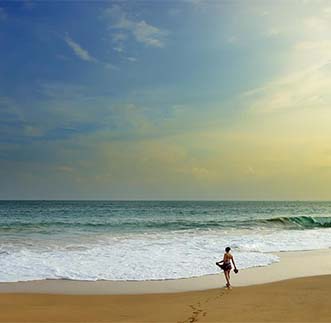
The vibrant town of Unawatuna remains one of the top holiday destinations, even considered by some to have one of the best beaches in Asia. During the Dutch colonial period, the Dutch settlers, who fought for Galle in 1640, built houses for their officers in this town, some of which are seen to date, in their untouched exteriors.
Today, the town is alive during most times of the year, drawing tourists and fun-seekers to its tranquil beaches. The coral reef and shipwrecks in this area can be explored through the many scuba diving and snorkeling activities offered by various diving centres along the beach. Rich in biodiversity, Unawatuna is home many endemic birds as well as an enthralling variety of fish and turtles. The Turtle Hatchery of Habaraduwa gives visitors the opportunity to observe the hatching process of endangered turtle species.
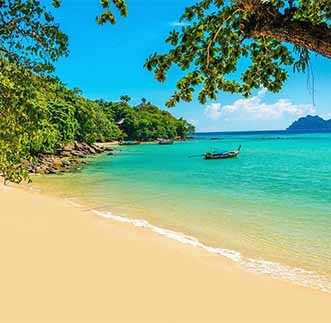
Mirissa’s harbour is known as the best place to charter a boat for whale and dolphin watching from November to April. The tourist settlement on the coast at Mirissa has sprung up in response to backpackers flocking there to enjoy hours of paragliding, body boarding and sea kayaking as well as snorkelling and diving. For surfing, the seas are ideal during the months of September to April.
The beach at Mirissa is popular with budget and mainstream tourists although upmarket properties are opening close by. It lies off the south coast road at 150km from Colombo and can be reached quickly via the new Southern Expressway from Colombo to Matara. The best beach cove stretches east of the headland that separates Mirissa from Weligama Bay and is lined with sunbeds and restaurants in thatched shacks.
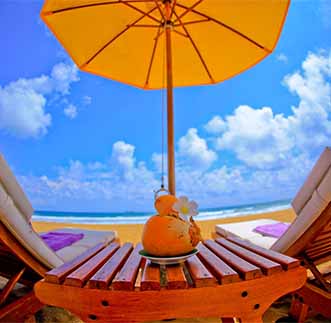
The sleepy district of Puttalam lies on the west coast of Sri Lanka, lying serenely between the vast, blue sea and the tranquil Puttalam Lagoon. It is deeply embedded in the history of Sri Lanka as a significant destination of foreign settlers and explorers. The name Puttalam is believed to be a derivation of the Tamil word, uppuththalam (uppu meaning salt and thalam meaning production zone).
Prince Vijaya, who set foot in the island 2,500 years ago, found himself in the area of Puttalam when his boat washed ashore. Today, Muslims make up the majority of its population, and salt and coconut production, and prawn farming act as the main livelihoods of those living in the area. Puttalam is the second largest producer of both salt and coconut in Sri Lanka.
Located on the east coast of Sri Lanka, Arugam Bay has become one of the hippest travel destinations, especially amongst young, urbane globetrotters who are enchanted by its magical landscapes and big, bold waves. Arugam Bay has gained international fame as one of the best surfing destinations of the world and is home to the annual Arugam Bay Surf Competition, which draws is many pro-surfers from around the world.
The best time for surfing is between the months of May to November. The offshore and right hand breaks during this time period are ideal conditions for surfing. There are many excellent points of break in the area for surfers, including The Point, Pottuvil Point, Peanut Farm and Crocodile Rock.
Around thirty-five kilometers northwest of Batticaloa town on the east coast of Sri Lanka lies Pasikuda, a coastal town with a spectacular, blue bay and soft, sandy beaches.
Pasikuda is renowned because of its extended shallow coastline, making it a great spot for sunbathing and shallow swimming. The mesmerizing, azure waters are hard to resist and, along with the pristine, white-golden sand of the beach, create an incredible sight. Much of the town was destroyed during the 2004 Asian tsunami, but since then, tourism has gradually picked up. Today, Pasikuda is home to many stylish and luxurious resorts and boutique hotels that offer guests breathtaking views and a tranquil atmosphere.